Turning a Dining Nook into a Vibrant Spot
Discover how to transform an overlooked dining nook into a lively family gathering area with bold patterns and sustainable decor ideas that bring everyday magic to your home.

Have you ever glanced at that forgotten corner of your kitchen or living room—the one that's supposed to be a dining nook but feels more like a storage spot for random mail and half-finished projects? We've all been there, staring at a space that could spark joy but instead collects dust. What if a few thoughtful changes could turn it into the heart of your home, buzzing with family laughter and sustainable style? In this post, we'll dive deep into sustainable dining room makeover ideas, blending bold pattern decor for family spaces with eco-friendly gathering spot transformations. Drawing on vibrant dining nook inspiration, we'll explore mixing patterns in home decor alongside family-friendly sustainable decor tips, all aimed at creating inviting dining areas at home. Let's unlock that potential together.
What Makes a Dining Nook Feel Overlooked and How Can We Fix It?
Many homes have these nooks tucked away, often measuring just 6x8 feet, squeezed between a kitchen island and a window. They start with good intentions—a small table, perhaps a couple of chairs—but over time, they become dumping grounds. The issue? Lack of personality, poor lighting, and materials that don't stand up to daily family use. Think bland walls in standard beige paint, covering 48 square feet, paired with a wobbly table that's seen better days. But here's the shift: by incorporating bold patterns and sustainable touches, you can elevate this space. Sustainable materials like reclaimed wood tabletops (sourced from FSC-certified suppliers) and organic cotton upholstery reduce environmental impact while adding warmth. Bold patterns, such as geometric prints on cushions measuring 18x18 inches, inject energy without overwhelming the compact area.
We remember one family who described their nook as 'the black hole of the kitchen'—everything went in, nothing came out organized. After a makeover, it became the spot for morning coffees and game nights. That's the magic: turning oversight into opportunity.
Bold Patterns and Sustainable Touches: The Perfect Answer
The answer lies in a balanced mix. Bold patterns bring vibrancy—think large-scale florals on wallpaper covering 20 square feet of accent wall, with motifs repeating every 12 inches for visual rhythm. Pair this with sustainable elements like bamboo chairs (each weighing about 15 pounds for easy mobility) and recycled glass vases. This combo not only looks fresh but aligns with eco-conscious living, reducing your carbon footprint by opting for materials that biodegrade or recycle easily. For instance, using low-VOC paints in vivid hues ensures air quality stays high in a space where families gather daily.
Consider the environmental angle: traditional decor often relies on synthetic fabrics that off-gas chemicals, but switching to hemp or linen blends (with thread counts of 200-300) offers durability and breathability. It's about creating a spot that's inviting for everyday family magic, where bold stripes on a 5x7-foot rug ground the space, and sustainable cork coasters add practical flair.
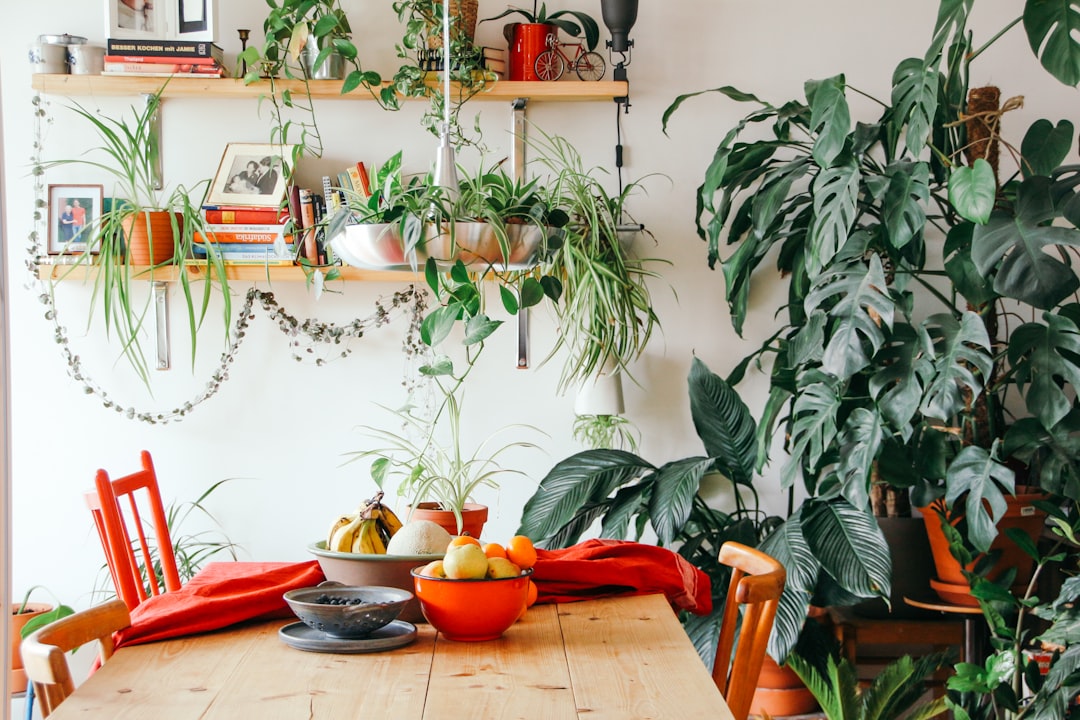
Real-World Examples of Transformed Nooks
Let's look at some inspiring transformations. In a cozy Seattle home, a nook was revamped with a reclaimed oak table measuring 48 inches in diameter, topped with a sustainable beeswax finish for water resistance. Bold patterned curtains in organic cotton, each panel 84 inches long, framed the window, mixing chevron and paisley for eclectic charm. The result? A space that hosted weekly family dinners, with room for six people comfortably.
Another example from a suburban Chicago residence involved installing floating shelves made from recycled plastic composites, each 36 inches wide and supporting up to 50 pounds. They displayed thrifted ceramics alongside bold wallpaper samples in tropical prints. This eco-friendly gathering spot transformation cut costs by 30% compared to new buys, proving budget-friendly options work wonders.
Or take the story of a family in Austin who mixed patterns daringly: a striped banquette cushion (foam core 4 inches thick for comfort) against polka-dot placemats. Sustainable touches included LED string lights with a 50,000-hour lifespan, draping 10 feet across the nook for ambient glow. These examples show how vibrant dining nook inspiration can adapt to different regions, from rainy Pacific Northwest vibes to sunny Southern warmth.
- Urban Apartment Twist: In a 500-square-foot New York space, vertical gardens with succulent planters (each 6 inches in diameter) added green without eating floor space.
- Farmhouse Flair: A rural nook used barnwood accents, planks 1 inch thick, paired with bold gingham tablecloths for that homey feel.
- Modern Minimalist: Clean lines with bamboo pendant lights hanging 30 inches from the ceiling, illuminating patterned throw pillows.
Step-by-Step: How to Mix Bold Patterns with Sustainable Touches
Ready to get hands-on? Start by assessing your nook's dimensions—measure length, width, and height to ensure fittings like a 42-inch round table leave at least 24 inches for chair pull-out. Clear the space completely; this blank canvas is key.
Next, choose your base: Opt for a sustainable rug, such as jute woven in a 4x6-foot size, providing texture underfoot. Layer bold patterns here—perhaps a herringbone design in natural dyes.
Now, tackle the walls. Apply peel-and-stick wallpaper with bold florals, covering one accent wall (typically 8x10 feet). Use a level for straight application, and smooth with a 6-inch putty knife to avoid bubbles. For sustainability, select brands using water-based inks.
Incorporate seating: Build or buy a banquette with plywood frames (3/4-inch thick) upholstered in recycled polyester fabric, cut to 60 inches long. Mix patterns by choosing cushions in contrasting motifs, like stripes and dots, ensuring seams are double-stitched for family durability.
Add lighting and accessories. Hang a chandelier with energy-efficient bulbs (60 watts equivalent) at 30 inches above the table. Place sustainable vases—recycled glass ones holding 1 quart—filled with fresh or faux greenery. Finally, personalize with family photos in frames made from reclaimed metal, each 8x10 inches.
Throughout, remember: mixing patterns in home decor works best with a 60-30-10 rule—60% dominant pattern, 30% secondary, 10% accent. This creates harmony in your inviting dining area.
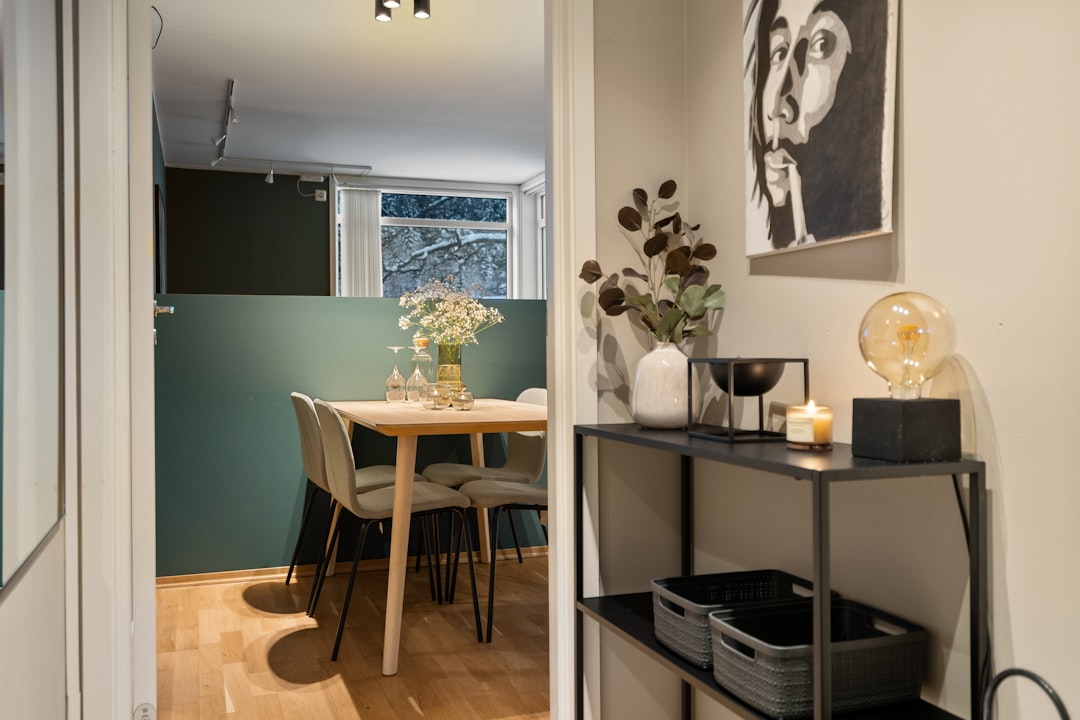
Common Troubleshooting for Your Makeover
Bumps happen. If patterns clash, step back—literally, from 10 feet away—and assess. Too busy? Swap one for a solid color block, like a neutral linen napkin set.
Sustainability pitfalls: Watch for greenwashing. Verify certifications; true eco-friendly items list sources, like bamboo from managed forests. If your space feels cramped post-makeover, remove one element—perhaps shorten curtains to 63 inches for better flow.
Budget overruns? We get it; that bold rug might tempt at $200, but thrift stores offer similar for $50. Durability issues, like fading patterns? Choose UV-resistant fabrics rated for 500 hours of sun exposure.
Warning: Avoid overloading electrical outlets with lights; use extension cords rated for 15 amps max. And if DIY woodworking, wear safety goggles—splinters are no joke!
Reflecting on these, it's like that idiom: measure twice, cut once. One homeowner learned the hard way when mismatched patterns turned their nook into a visual cacophony, but a quick swap fixed it. Patience pays off.
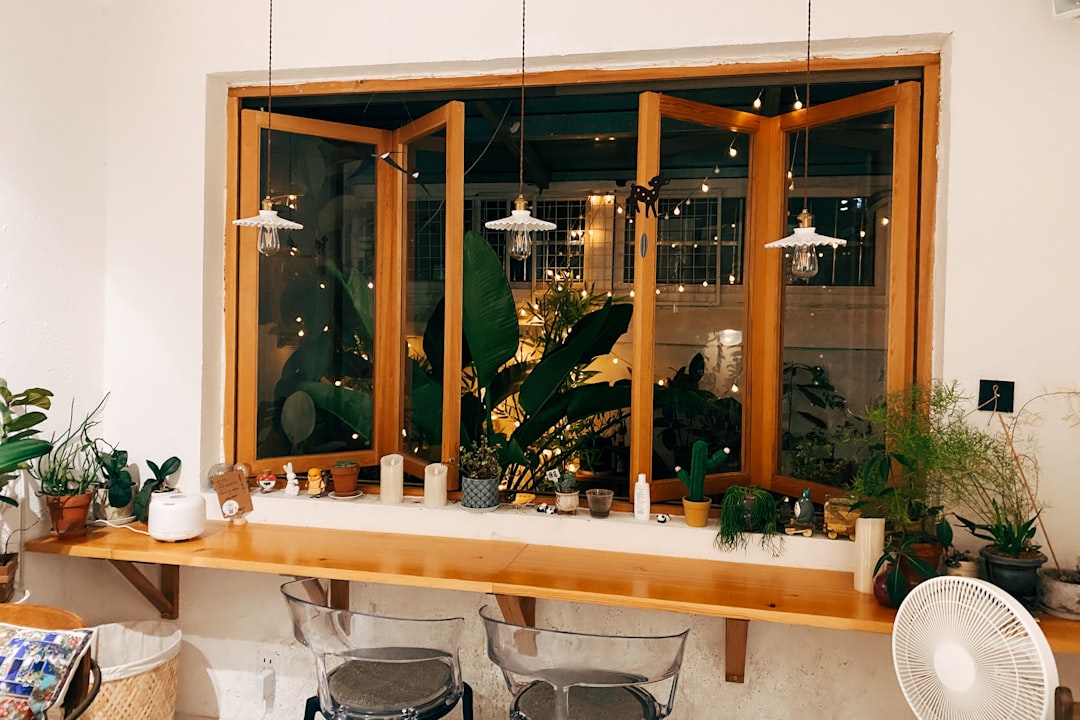
Taking It Further: Next Steps for Lasting Magic
You've got the foundation—now build on it. Experiment seasonally: Swap summer florals for autumnal plaids on placemats (12x18 inches each). Invite feedback from family; their input might spark ideas like adding a chalkboard wall for doodles, using non-toxic paint over 4 square feet.
For deeper dives, consider linking to our guides on eco-friendly paints or pattern-matching basics. Track your progress with before-and-after photos, noting how the space evolves.
As you embark, remember the joy in small changes. That overlooked nook? It's now a vibrant hub, fostering connections. Go ahead, create your family's everyday magic—it's within reach!
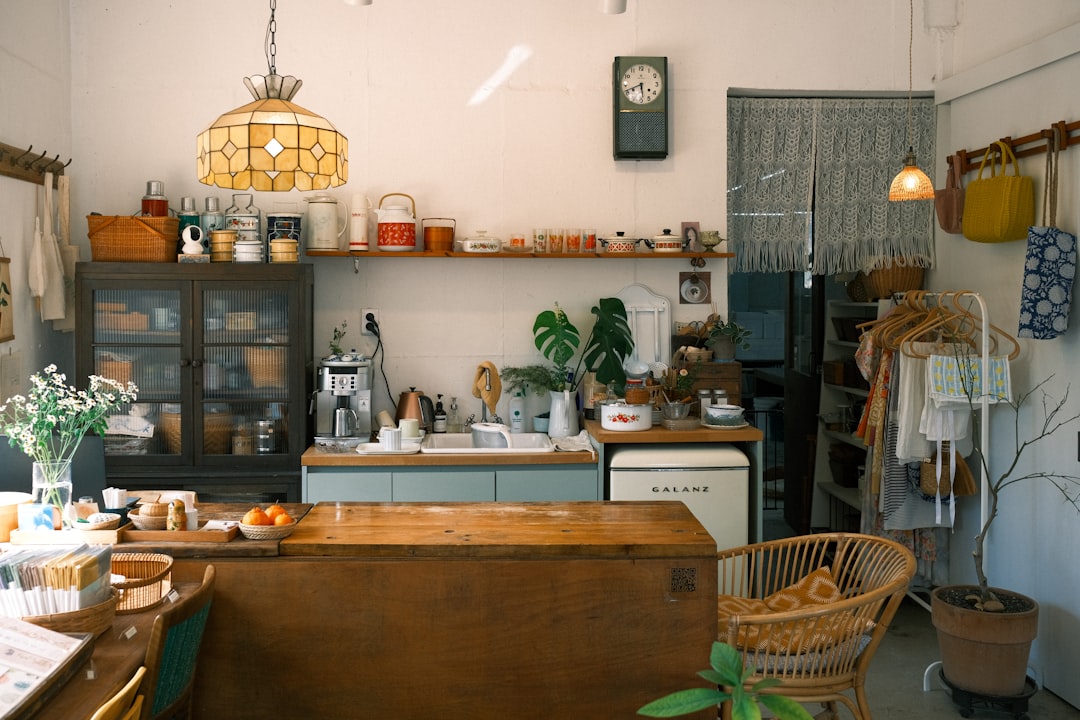
Shop The Look
Get the items featured in this post and bring the style home.


Next Post
Coming Soon →