Magic of Layered Lighting for Cozy Homes
Explore layered lighting decor ideas to create warm, inviting spaces perfect for cozy evenings. From biophilic designs to sustainable fixtures, get inspired for your home.

Have you ever walked into a room that just feels right—warm, inviting, and perfectly lit, even on the gloomiest of days? That's the magic of layered lighting at work. It's not just about flipping a switch; it's about crafting an atmosphere that wraps your home in comfort. In this post, we'll dive deep into how layered lighting can transform your spaces, drawing on fresh decor ideas that emphasize coziness for those relaxing evenings. Whether you're revamping your living room or adding flair to a bedroom, these insights will help you achieve that sought-after glow without overwhelming your senses.
What Exactly Is Layered Lighting?
Layered lighting refers to the strategic use of multiple light sources at different levels and intensities to create depth, functionality, and ambiance in a space. Think of it as building a symphony where each instrument plays a role—ambient lights set the base, task lights handle specifics, and accent lights add the drama. This approach goes beyond basic illumination; it enhances the mood, highlights architectural features, and even influences how we perceive room dimensions. For instance, in a 10x12-foot living room, combining overhead fixtures with floor lamps can make the area feel larger and more dynamic.
We often overlook how lighting affects our daily lives. A single overhead light can cast harsh shadows, making a room feel flat and uninviting. But by layering, you introduce variety—soft glows from wall sconces measuring 12 inches in diameter, paired with table lamps at 24 inches tall, create a balanced interplay. This method isn't new; it's rooted in design principles that prioritize human comfort. And with trends leaning toward warm ambient lighting, it's easier than ever to incorporate sustainable materials like recycled glass or energy-efficient LEDs rated at 2700K for that cozy, golden hue.
Why Does Layered Lighting Matter for Cozy Evenings?
Layered lighting matters because it mimics natural light patterns, fostering a sense of warmth and security that's ideal for winding down. During fall, when days shorten, this technique can combat the dreariness, turning your home into a sanctuary. Scientifically, warmer color temperatures (around 2200-3000K) promote relaxation by reducing eye strain and encouraging melatonin production. Imagine settling into a sofa under a chandelier dimmed to 50% brightness, with side lamps providing focused reading light—it's practical and mood-boosting.
In our experiences helping families redesign spaces, we've seen how poor lighting leads to underused rooms. One homeowner in the Pacific Northwest shared how their dim basement felt like a cave until we introduced layered options: recessed ceiling lights at 4 inches deep for ambient fill, coupled with biophilic elements like plant-inspired pendants. The result? A 30% increase in time spent there, all thanks to thoughtful illumination that feels alive and connected to nature.
Real-World Examples of Layered Lighting in Action
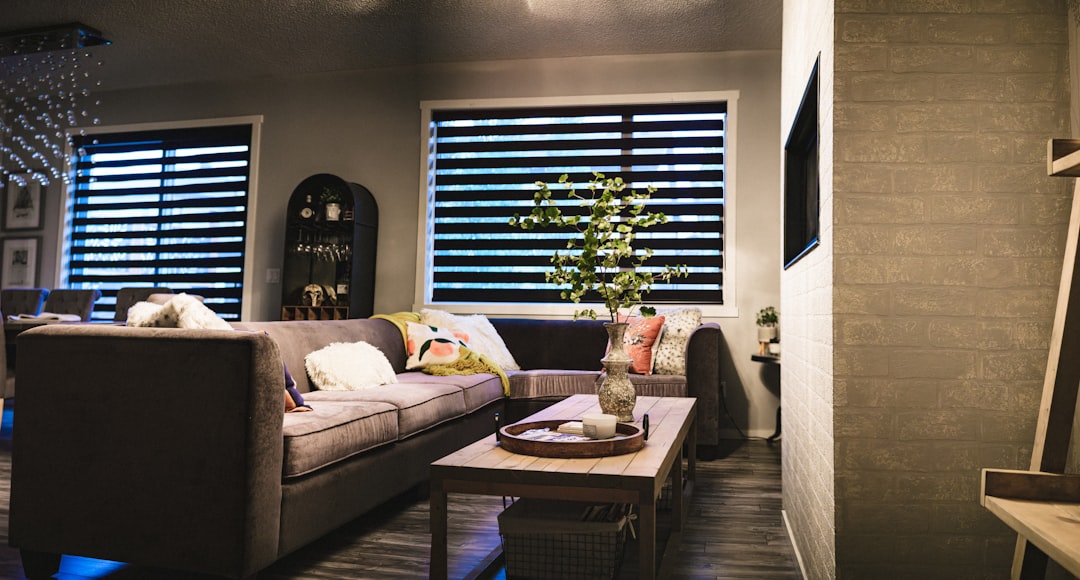
Let's look at some inspiring setups. In a modern farmhouse living room, combine a central ceiling fixture—like a 36-inch diameter wrought-iron chandelier—with vintage table lamps on side tables. This mixes styles seamlessly, with the chandelier providing broad ambient light at 800 lumens, while lamps offer task lighting at 400 lumens each.
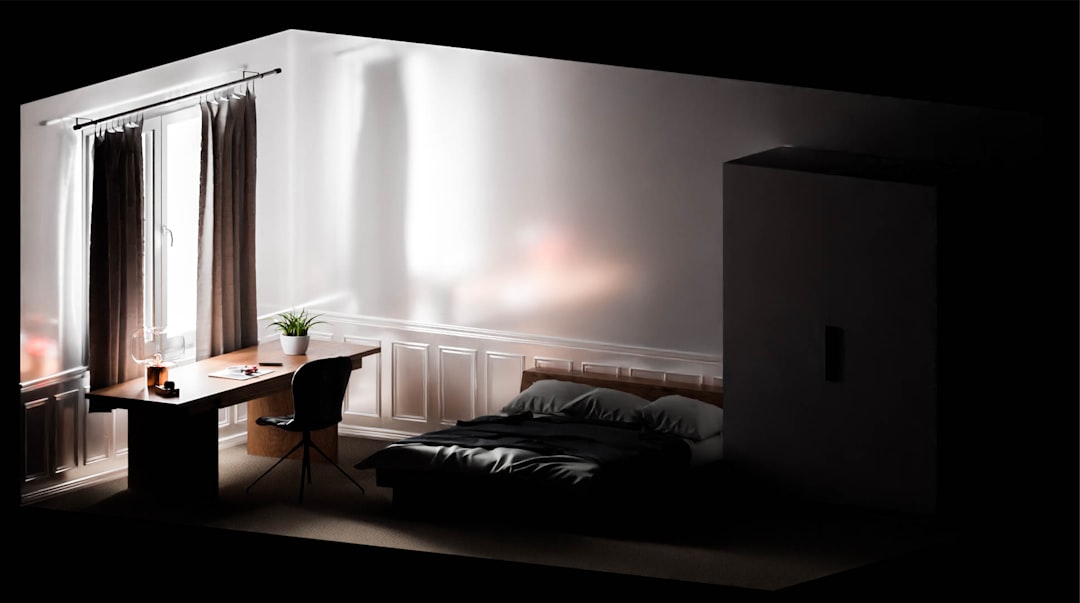
Another example: a biophilic bedroom where sustainable layered light fixtures shine. Use wall-mounted sconces with bamboo shades (measuring 8x10 inches) for soft diffusion, floor lamps with adjustable arms extending up to 60 inches for reading nooks, and string lights draped over headboards for accent. This setup not only warms the space but incorporates eco-friendly materials, reducing energy use by 40% compared to traditional bulbs.
Or consider a cozy kitchen corner. Here, under-cabinet LED strips (1-inch wide, 3000K) provide task lighting for prep work, pendant lights hanging 30 inches above the island add focus, and a dimmable overhead fan light offers ambient control. We've heard from readers in urban apartments who adapted this for small spaces, noting how it makes evenings feel intimate and efficient.
How to Implement Layered Lighting Step by Step
Ready to get started? Begin by assessing your room's needs. Measure the space— for a 15x20-foot area, aim for at least three light layers. Start with ambient: Install a ceiling fixture like a flush-mount LED panel, 24 inches in diameter, outputting 2000 lumens at 2700K.
Next, add task lighting. Position table lamps with 18-inch shades on end tables, ensuring bulbs are 60-watt equivalents. For precision, use adjustable desk lamps with arms extending 20-30 inches. Then, incorporate accents: Wall sconces at 5 feet high, or picture lights with 10-inch arms to highlight art.
Mix modern and vintage: Pair a sleek metal floor lamp (65 inches tall) with a ceramic vintage base. For sustainability, choose fixtures from recycled aluminum. Dimmer switches are key—install ones compatible with LEDs, allowing adjustments from 10-100% brightness. Finally, test at different times; adjust placements to eliminate shadows, perhaps moving a lamp 2 feet to balance light distribution.
- Tip: Use smart bulbs for app control, syncing with sunset for automatic cozy modes.
- Warning: Avoid overloading circuits; consult an electrician for rooms over 200 square feet.
Common Troubleshooting for Layered Lighting Issues
What if your setup feels too bright? Dim the ambient layer first, reducing output to 60% via smart controls. Harsh shadows? Reposition task lights; for example, angle a 45-degree lamp arm to soften edges.
Glare on screens is a frequent complaint. Opt for fixtures with frosted glass diffusers, 6 inches in diameter, and place them at least 3 feet from TVs. If mixing styles clashes, balance with neutrals— a modern LED strip alongside a vintage brass lamp works if both are in warm tones.
Sustainability hiccups? LEDs flickering? Check voltage; use bulbs rated for 120V standard. For biophilic designs, ensure plant motifs don't block light—trim shades to 4-inch openings. Remember that time you bought mismatched bulbs? We all have; standardize to 2700K for cohesion.
- Overheating fixtures: Space them 12 inches apart and use low-heat LEDs.
- Uneven lighting: Add mirrors (24x36 inches) to bounce light.
Next Steps to Elevate Your Layered Lighting Game
Now that you've got the basics, experiment with seasonal twists. For fall, incorporate amber-toned bulbs in your layers, perhaps adding pumpkin-inspired accents. Consider budgeting: Start with affordable options like a $50 floor lamp, scaling up to custom fixtures.
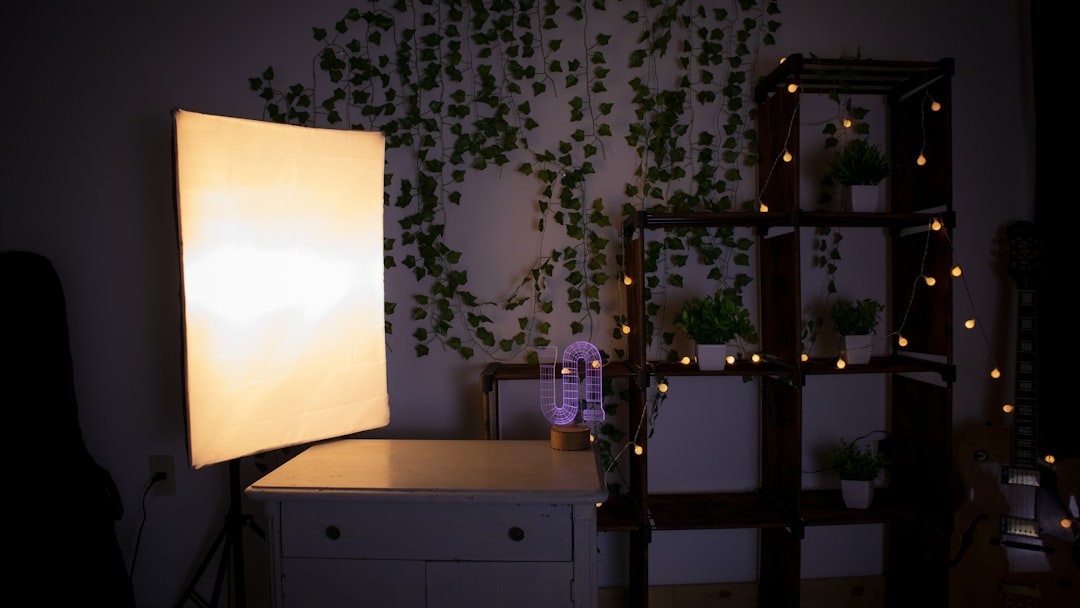
Explore biophilic trends by integrating natural wood sconces (10x5 inches) or solar-powered outdoor extensions for seamless indoor-outdoor flow. If you're feeling adventurous, try mixing eras—a 1920s-style banker’s lamp with a contemporary orb pendant.
We encourage you to sketch your room layout, marking light placements with exact measurements. Share your before-and-after stories; it's rewarding to see transformations. With these ideas, your home will glow with warmth, making every evening a cozy delight. What layer will you add first?

Reflecting on this, layered lighting isn't just decor—it's a way to nurture your space and well-being. As days cool, let these ideas light up your world. Dive in, adjust as needed, and enjoy the magic unfolding in your own home.
Shop The Look
Get the items featured in this post and bring the style home.


Next Post
Coming Soon →