1/18/2026
9 min read
Decor Haven
Eco Tips
Desert Vibes Meet Suburban Life: My Eco Makeover
Discover how I transformed my bland Midwestern family home with sustainable Southwest flair, sharing eco tips, fails, and budget-friendly swaps that bring warmth without the hassle.

The Bland Before: Our Cookie-Cutter Living Room
Oh, friends, let me take you back to the start of this whole adventure. Our suburban home in the heart of Ohio was the epitome of 'safe' decor—think beige walls, a generic sectional from a big-box store, and those builder-grade light fixtures that scream 'we didn't try too hard.' We'd moved in five years ago with two rambunctious kids and a golden retriever named Max, and honestly, it functioned just fine for family movie nights and chaotic playdates. But after a trip to Arizona last summer, where the desert landscapes with their terracotta hues and rugged textures stole my heart, I came home feeling like our space was missing that soulful spark. It was practical, sure—Midwestern practicality at its finest—but it lacked the earthy warmth I craved. Plus, with climate concerns always on my mind, I wanted to make changes that were kind to the planet, not just pretty.
The living room was ground zero: 15x20 feet of yawn-inducing neutrality. The carpet was a synthetic nightmare that trapped every crumb from the kids' snacks, and the coffee table was a scratched-up particleboard relic from our first apartment. I remember spilling coffee on it one morning and thinking, 'This has to go.' It was time for a sustainable makeover infused with Southwest vibes—natural materials, warm tones, and eco-friendly swaps that wouldn't break the bank or require a full renovation.
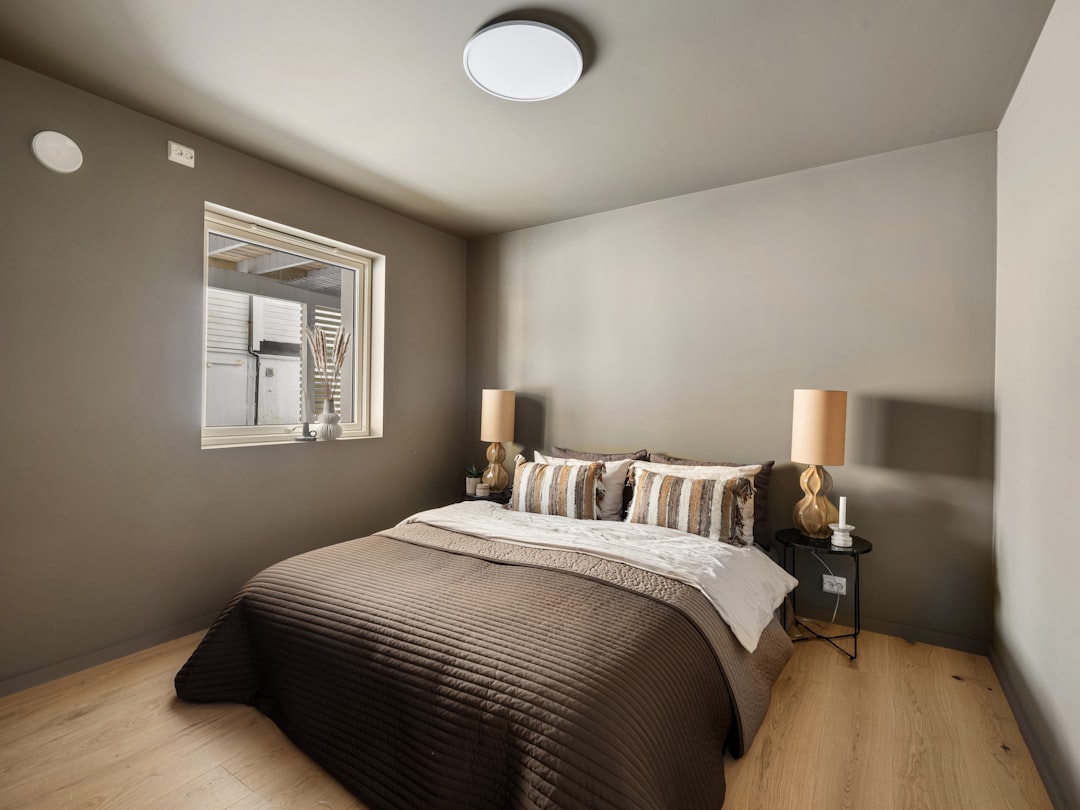
Inspiration Strikes: Channeling the Southwest Sustainably
Fast-forward to my planning phase, which involved way too many late-night Pinterest scrolls and a notebook full of scribbled ideas. I wanted to evoke the desert Southwest—think Santa Fe adobe, Joshua Tree cacti, and those stunning red rock formations—without turning our Ohio home into a theme park. The key? Sustainability. I focused on natural, recycled, or upcycled materials to keep things eco-friendly. For instance, I swapped synthetic fabrics for organic cotton and linen, which are biodegradable and require less water to produce. It was all about infusing that Midwestern sensibility—practical, family-proof—with the free-spirited flair of the Southwest.
One of my first aha moments came from researching terracotta. It's not just beautiful; it's eco-gold because it's made from natural clay and can be recycled. I envisioned pottery, tiles, and accents that would bring in those earthy reds and oranges. But let's be real: I had a budget of around $800 for the whole room, so no splurging on artisanal imports. Instead, I hit up local thrift stores and online marketplaces for secondhand finds. Oh, and speaking of finds, I snagged this set of terracotta planters from Etsy that were handmade from reclaimed clay—they're perfect for housing succulents and adding that desert pop without any hassle.
I also thought about lighting. Our old fluorescent bulbs were energy hogs, so I researched LED options that mimic the warm glow of a desert sunset. It's amazing how something as simple as swapping bulbs can shift the vibe from sterile to serene.
The Process Begins: Tackling Walls and Floors with Eco Swaps
Alright, let's dive into the nitty-gritty of the makeover process. I started with the walls because, let's face it, paint is the quickest way to transform a space. Our before color was a flat 'greige' that did nothing for the soul. I chose Benjamin Moore's 'Adobe Orange' for an accent wall—it's a soft terracotta shade that's warm but not overwhelming, and it's low-VOC for better indoor air quality. Painting day was a family affair; the kids helped (sort of), and we ended up with more paint on the drop cloths than the walls at first. Pro tip: Tape off everything twice if you have little helpers!
For the floors, that synthetic carpet had to go. I researched sustainable options and landed on a jute rug overlay—natural, biodegradable, and tough enough for kid traffic. It wasn't a full floor replacement, which kept costs down. I layered this large jute area rug from West Elm over the existing carpet, and it instantly brought in that textured, earthy feel reminiscent of desert sands. Bonus: Jute is grown without pesticides, making it a win for the environment.
But here's a relatable fail: I initially picked a rug that was too small (only 8x10 for our 15x20 space), and it looked like a sad island in the middle of the room. After measuring properly—measure twice, buy once, folks—I exchanged it, and the difference was night and day.
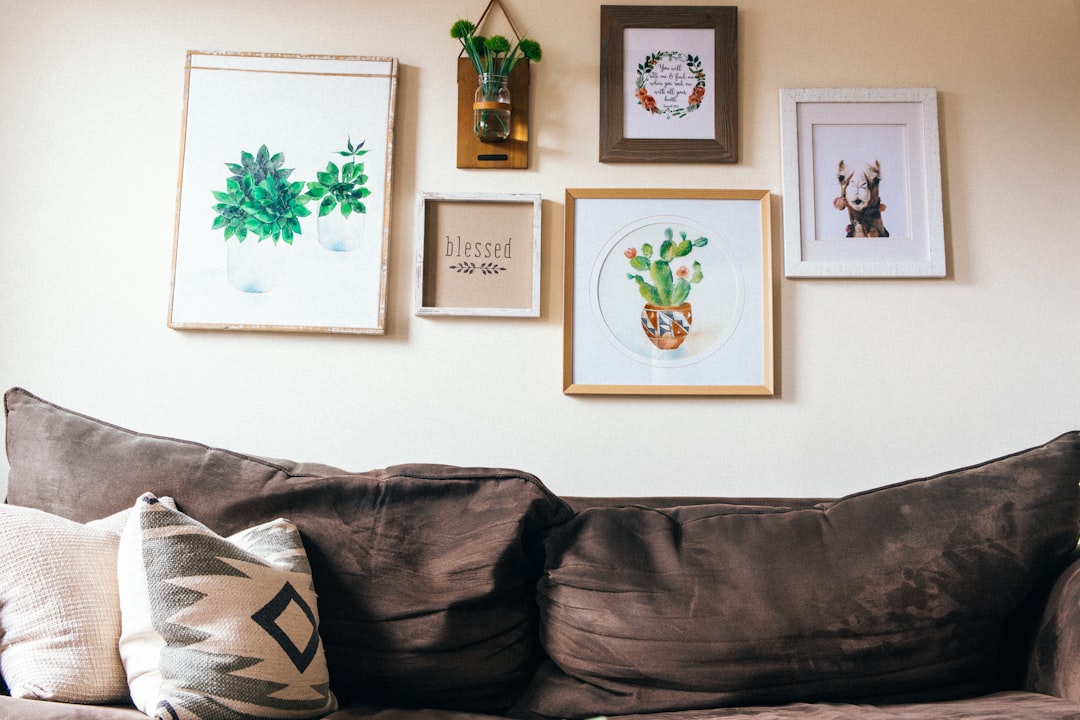
We also addressed the furniture. Our old sectional was polyester-blend and falling apart, so I hunted for a sustainable alternative. Enter a secondhand linen sofa I found on Facebook Marketplace for $200. I reupholstered the cushions with organic cotton fabric in a soft sage green, evoking desert sagebrush. It was my first DIY upholstery attempt, and let's just say there were a few uneven seams, but it turned out charmingly imperfect.
Furniture and Accents: Budget Eco Tips That Pack a Punch
Moving on to the fun part—furnishings and decor that scream Southwest without the cultural appropriation pitfalls. I focused on natural swaps: wood instead of plastic, wool over synthetics. For the coffee table, I upcycled an old wooden crate from a local farm stand, sanding it down and staining it with a non-toxic walnut finish. It now holds our remotes, kids' books, and a few cacti.
Accents were where the desert magic happened. I incorporated woven baskets for storage—perfect for hiding toys—and sourced them from fair-trade suppliers. One favorite is this macrame wall hanging from Anthropologie, made from recycled cotton cords, which adds that boho Southwest texture to the walls. It's subtle, not over-the-top, and ties in beautifully with the earthy palette.
For lighting, I ditched the overhead fixture for a floor lamp. After some trial and error (including a wobbly one that nearly toppled during a playdate), I settled on this brass arc lamp from Target with an energy-efficient bulb. It casts a warm, ambient light that makes evenings feel like a cozy desert retreat.
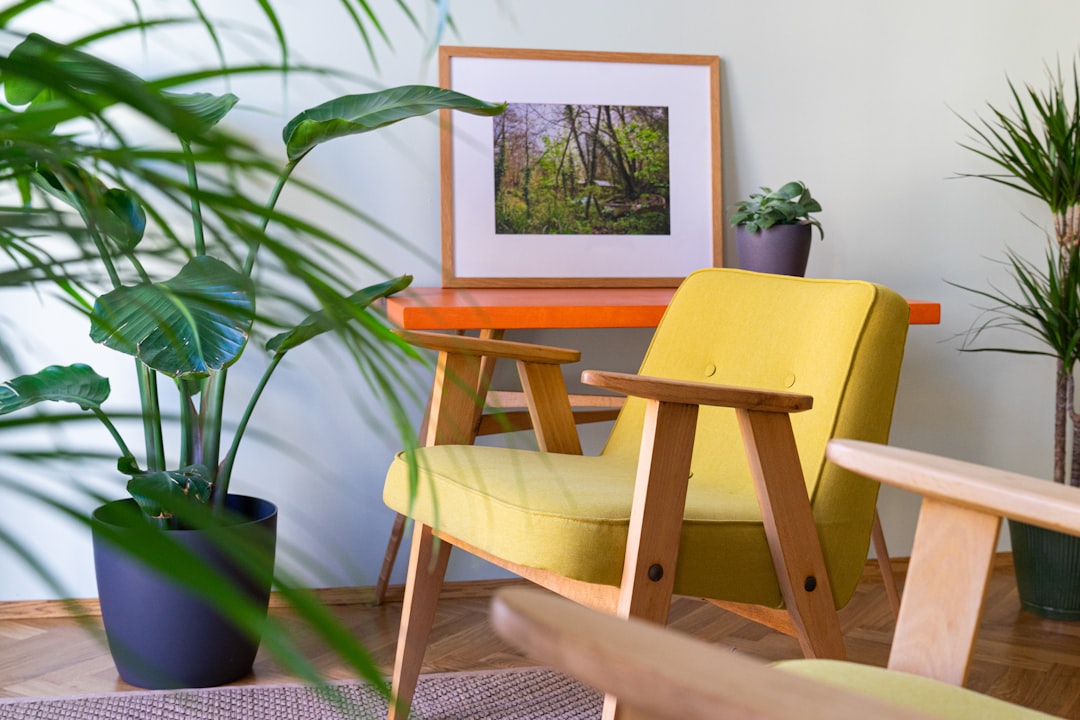
Oh, and plants! No Southwest-inspired space is complete without them. I went for low-maintenance succulents and cacti, which thrive in our dry indoor air and purify it naturally. I potted them in those terracotta planters I mentioned, grouping them on a windowsill for a mini desert landscape.
Midway Mishaps: When Eco Dreams Meet Reality
Not everything went smoothly—because when does it ever in a family home? One big fail was my attempt at DIY adobe-style wall texture. I mixed up a batch of natural plaster using recycled gypsum and applied it to a test wall. It looked great wet, but dried into a crumbly mess that the kids picked at relentlessly. Lesson learned: Sometimes, it's better to stick with paint and add texture through textiles. I ended up covering it with a woven tapestry instead, which was easier and more forgiving.
Another hiccup? Budget overruns on textiles. I underestimated the cost of organic fabrics, blowing $150 on throw pillows alone. To fix it, I raided my linen closet for old sheets and dyed them with natural avocado pits for a soft pinkish hue—eco-friendly and zero cost. It infused that practical Midwestern ingenuity with Southwest warmth.
These mishaps taught me patience and flexibility. Sustainable decor isn't about perfection; it's about progress.
The Big Reveal: Warm, Earthy, and Oh-So-Livable
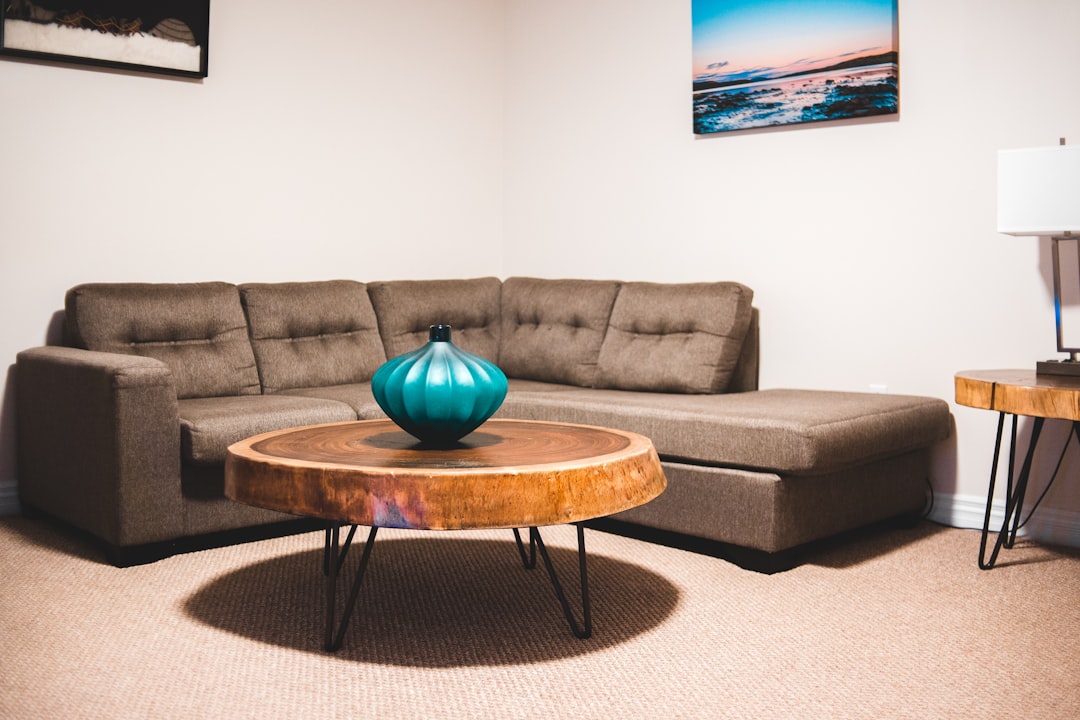
Drumroll, please—the after! Walking into our living room now feels like stepping into a sun-kissed canyon, but with all the comforts of suburban life. The terracotta accent wall pops against the neutral backdrop, the jute rug grounds the space with its natural weave, and the linen sofa invites you to sink in. We've got woven baskets overflowing with blankets, succulents dotting every surface, and that brass lamp casting golden light over family game nights.
The kids love it too—my daughter calls it our 'adventure room' because the earthy tones remind her of our Arizona trip. Max the dog has claimed the rug as his new nap spot. Functionally, it's more practical than before: Natural materials are easier to clean (jute vacuums like a dream), and the eco swaps mean lower energy bills from those LED lights.
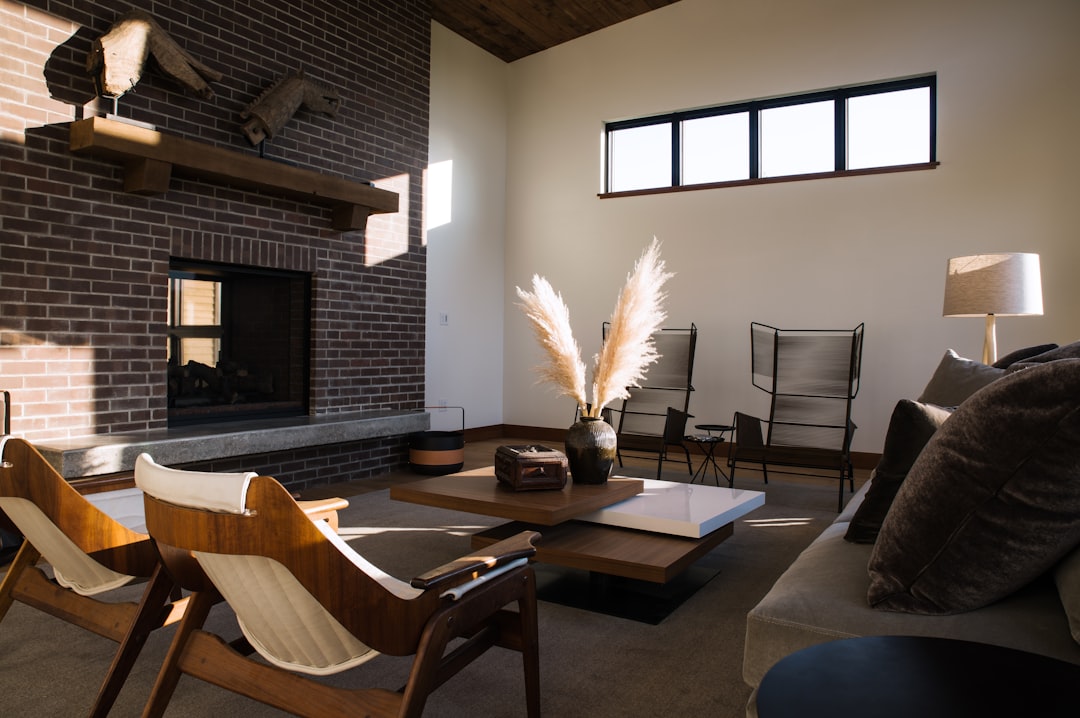
Visually, it's a blend of Southwest flair and Midwestern heart—warm ochres, soft greens, and textured neutrals that feel timeless. Total cost? Under $750, thanks to thrifting and DIY.
What I Learned: Eco Tips for Your Own Southwest Swap
Reflecting on this journey, a few key takeaways stand out. First, start small: Swap one element, like rugs or pillows, to test the vibe without overwhelming yourself. Second, prioritize natural materials—jute, linen, terracotta—for their sustainability and durability in family homes. Third, embrace imperfections; those DIY fails add character.
If you're in a similar suburban setup, consider these wool throw blankets from Pottery Barn for adding cozy layers—they're ethically sourced and perfect for chilly Ohio evenings while nodding to Southwest textiles.
Another gem: For wall art, I framed pressed desert flowers from our trip in recycled wood frames. It's personal, eco-friendly, and brings the outdoors in.
Carrying the Vibes Forward: Bedroom Sneak Peek
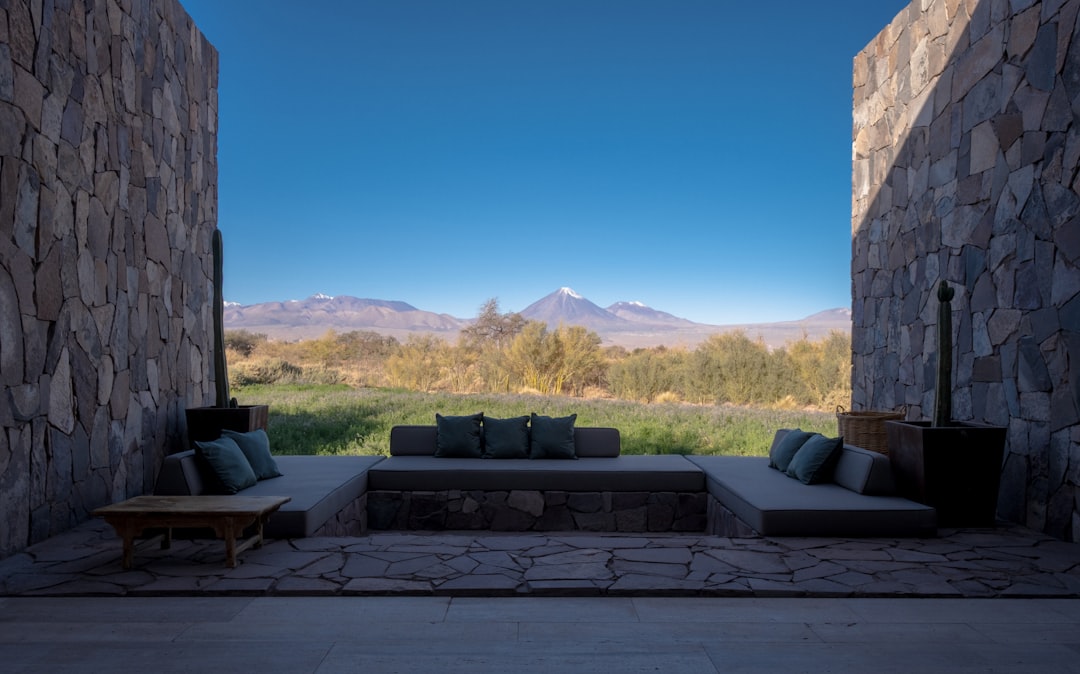
This living room makeover has me hooked, so I'm already plotting the bedroom. Think more terracotta, perhaps a headboard from reclaimed wood, and this linen duvet set from Parachute in a dusty rose to keep the desert palette going. It's all about building sustainable spaces that feel like home, one room at a time.
In the end, infusing Southwest flair into our suburban pad wasn't just about aesthetics—it was about creating a warmer, more intentional life. If you're feeling the pull, grab some paint and start small. You've got this!
Shop The Look
Get the items featured in this post and bring the style home.


Back to Blog
Next Post
Coming Soon →